
Human dignity
Every person has equal moral worth and may never be reduced to a resource.
A line power must not cross
Twenty blows against inherited power. No throne for a surname. No crown for a machine.
Every person has equal moral worth and may never be reduced to a resource.

Institutions must put the protection of life before prestige, territory or revenge.

No authority may demand one worldview or punish peaceful doubt.
Shared rights protect, rather than erase, languages, beliefs and local memory.

At 18, everyone receives an individual package of housing, healthcare, education and starter resources.
The family housing standard grows with each child; at 18, the child receives an individual right of use.
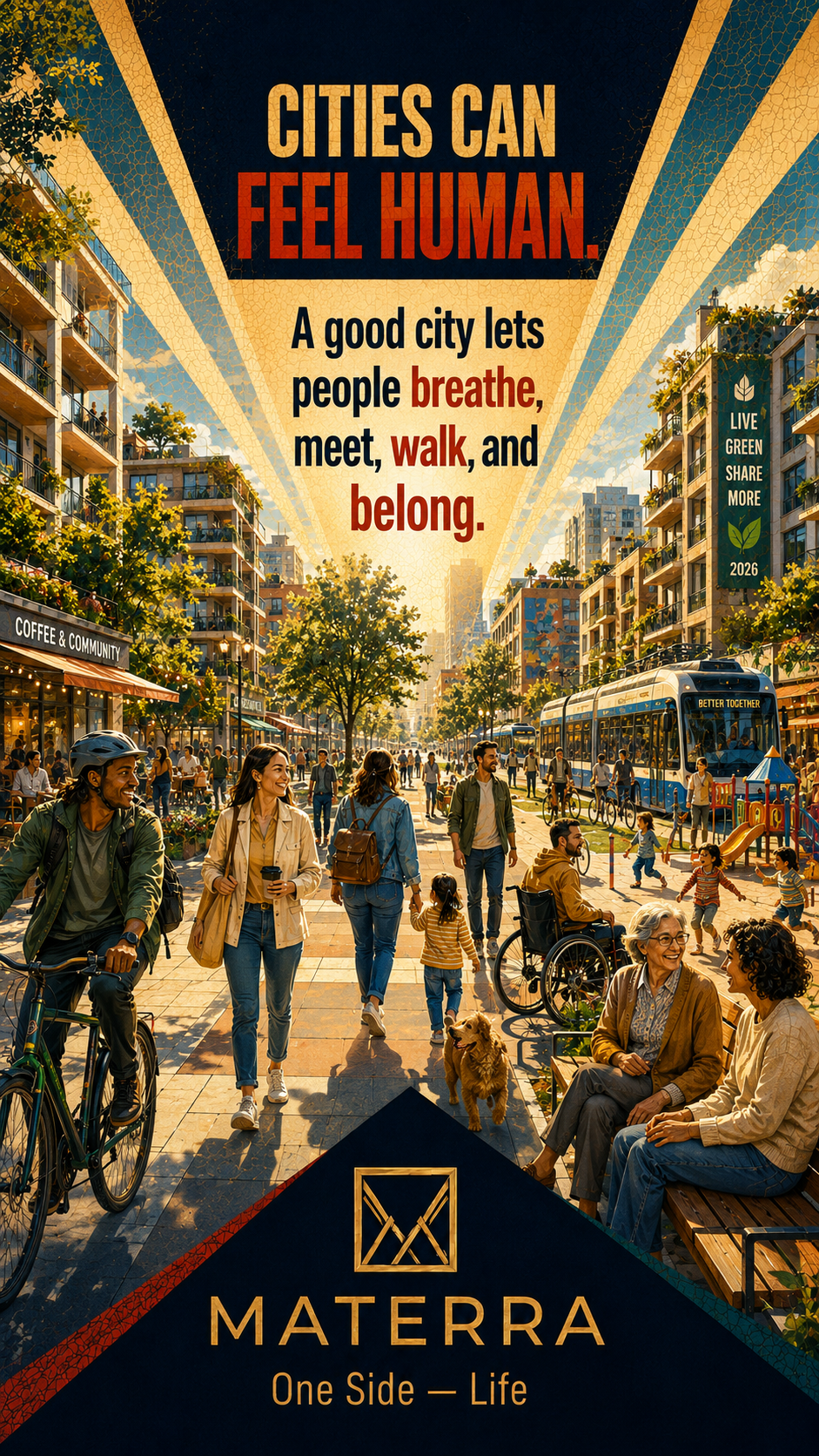
Learning throughout life must be genuinely reachable regardless of family wealth.
Necessary care is part of human security and cannot depend on inherited status.
People may build, earn, invent and enjoy the results of responsible work.
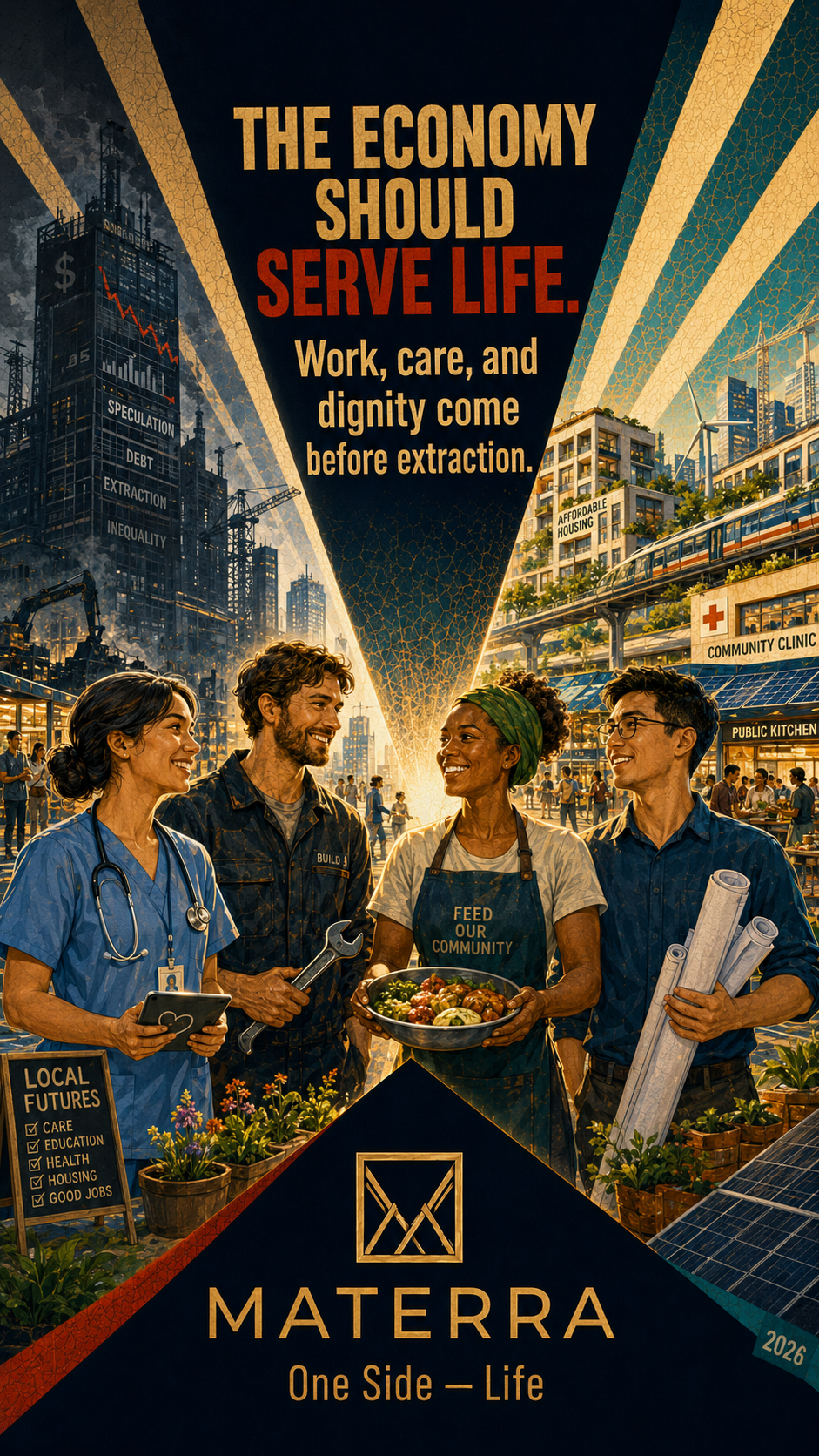
A common civilization does not grant institutions ownership of personal life.
Collect the minimum, explain the purpose, limit retention and enable deletion.
No family may pass governing authority to descendants as property.
Assets return to society after a sole owner dies, or after the surviving spouse dies for marital property.

Land is governed as the finite basis of life while improvements may have private use.
Rules, evidence, conflicts and reasons must be inspectable unless privacy requires protection.
No single model, company or state receives a monopoly on analysis.
A reasoned minority position remains in the record for later review.
Any consequential decision needs an understandable path to challenge and correction.
Neither a person nor an AI may decide alone where rights and safety are at stake.
Change is voluntary, lawful, gradual and permanently open to criticism.